

NetApp announced a set of data management updates for Red Hat OpenShift to improve backup predictability, disaster recovery, and operational scalability across on-premises and cloud-based virtualized environments. The release focuses on OpenShift Virtualization deployments, where growing VM counts and larger datasets can make traditional full-disk backup approaches increasingly inefficient.
The announcement addresses a practical challenge in enterprise virtualization. As OpenShift-based VM environments scale, backup products that rely on scanning entire virtual disks can lengthen backup windows, complicate recovery planning, and increase storage and compute overhead. NetApp is positioning its latest OpenShift integrations around block-level change tracking, automation, and cloud consistency to reduce operational friction.
NetApp tied the launch to broader virtualization growth, citing Red Hat research showing that virtualization remains a core platform for infrastructure modernization and application innovation. According to Red Hat’s State of Virtualization Report, 90% of organizations agree that virtualization supports innovation. Combined with the report’s finding that 71% of organizations have over half of their IT infrastructure virtualized, this trend is driving enterprises to expand their virtualized environments to manage the growing volumes of data fueling the AI era. In that context, the company is targeting organizations consolidating VM and container operations under OpenShift while trying to maintain predictable recovery point and recovery time objectives.
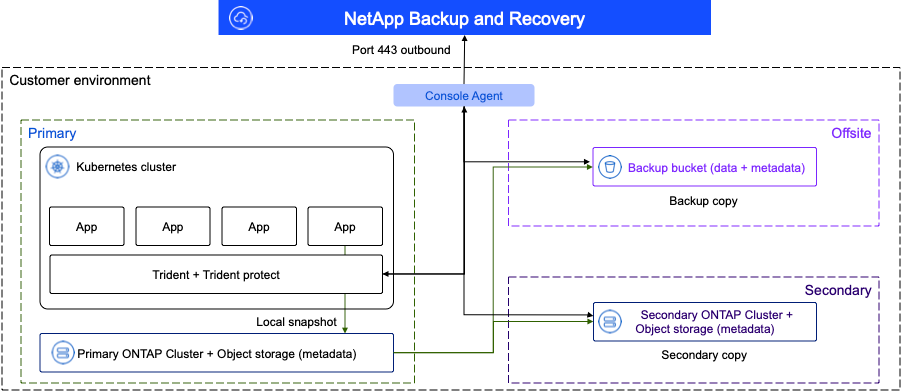
A key update is expanded support in NetApp Backup and Recovery for Red Hat OpenShift and OpenShift Virtualization. The service uses incremental-forever backups with Change Block Tracking, protecting only changed blocks rather than repeatedly scanning full VM disks. NetApp said this approach preserves storage efficiency, avoids data rehydration during backup jobs, and lowers compute overhead. The update also adds more automation for VM-granular protection and recovery, along with resource transformation capabilities intended to speed recovery workflows.
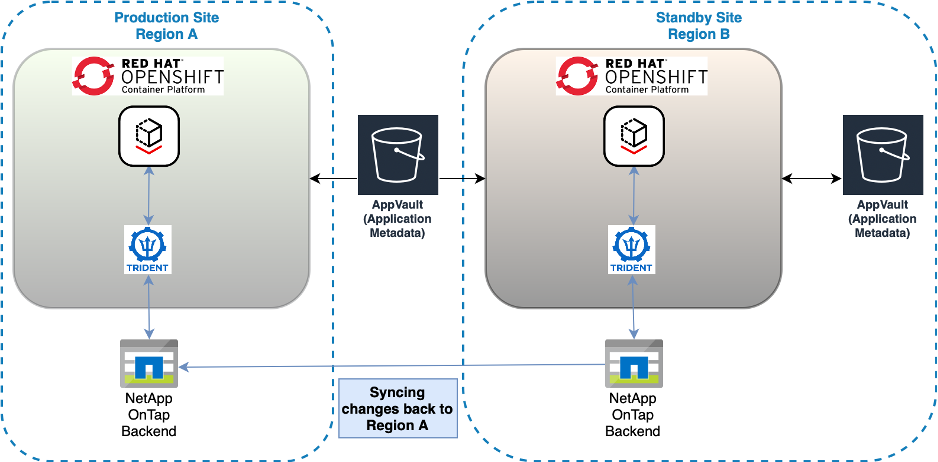
NetApp also introduced public preview support for NetApp Disaster Recovery with Red Hat OpenShift and OpenShift Virtualization. This extends the company’s protection story beyond backup into orchestrated disaster recovery for Kubernetes-based virtual machines running on ONTAP storage. The DR-as-a-service offering is designed to provide guided failover and failback workflows, giving OpenShift administrators a simpler way to protect virtualized workloads without having to build more complex DR processes from scratch.
On the cloud side, Google Cloud NetApp Volumes and the Trident CSI driver for Red Hat OpenShift Virtualization are now generally available with certified support for Red Hat OpenShift Dedicated on Google Cloud. This provides organizations with a supported path to run both VMs and containers in Google Cloud while using NetApp-backed storage services, which may be relevant for customers standardizing hybrid cloud operations or shifting some virtualization capacity off-premises.
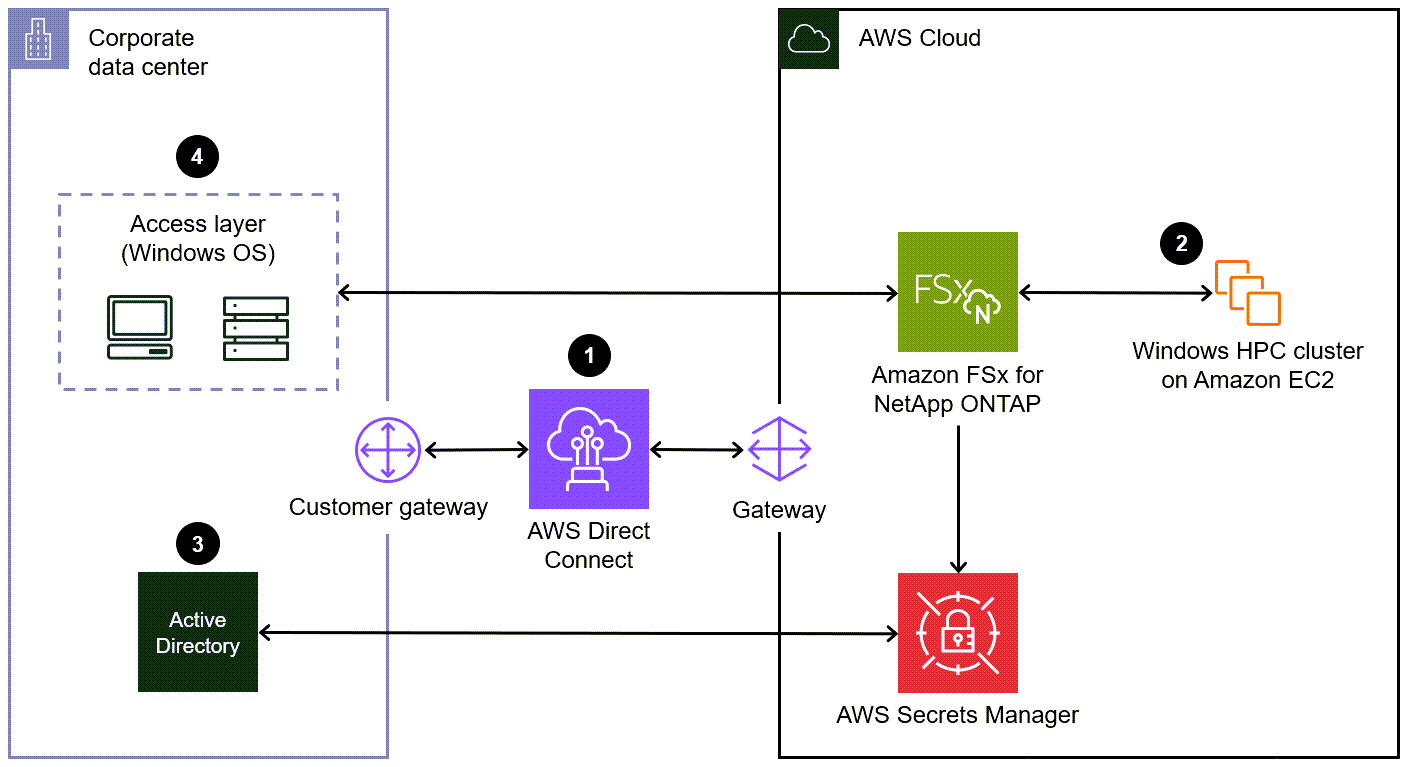
NetApp also updated Trident, its Kubernetes storage orchestrator, adding a new parallelism capability for Amazon FSx for NetApp ONTAP and Google Cloud NetApp Volumes environments. Instead of processing storage operations serially in the controller, Trident can now execute them concurrently, which should improve scalability and reduce storage-side bottlenecks in larger deployments.
In comments accompanying the release, NetApp said the goal is to make backup and recovery behavior more predictable as OpenShift VM environments scale. Red Hat framed the joint work as a response to the scale and complexity challenges of modern virtualized infrastructure, particularly in data protection and disaster recovery in hybrid cloud environments.
From a product standpoint, the update is less about introducing a new platform and more about tightening the operational layer around OpenShift Virtualization. For enterprises evaluating OpenShift as a destination for both container and traditional VM workloads, the practical value lies in more efficient backup mechanisms, more automated recovery workflows, and broader support for hybrid and public cloud deployment models.


 Amazon